A gear is a rotating machine component with cut teeth that mesh with another toothed part to transmit torque and rotational speed. Unlike sprockets that use a flexible chain, gears mesh directly with each other to enable precise motion transfer, mechanical advantage, and directional changes between parallel, intersecting, or non-parallel shafts.
Common Types of Gears
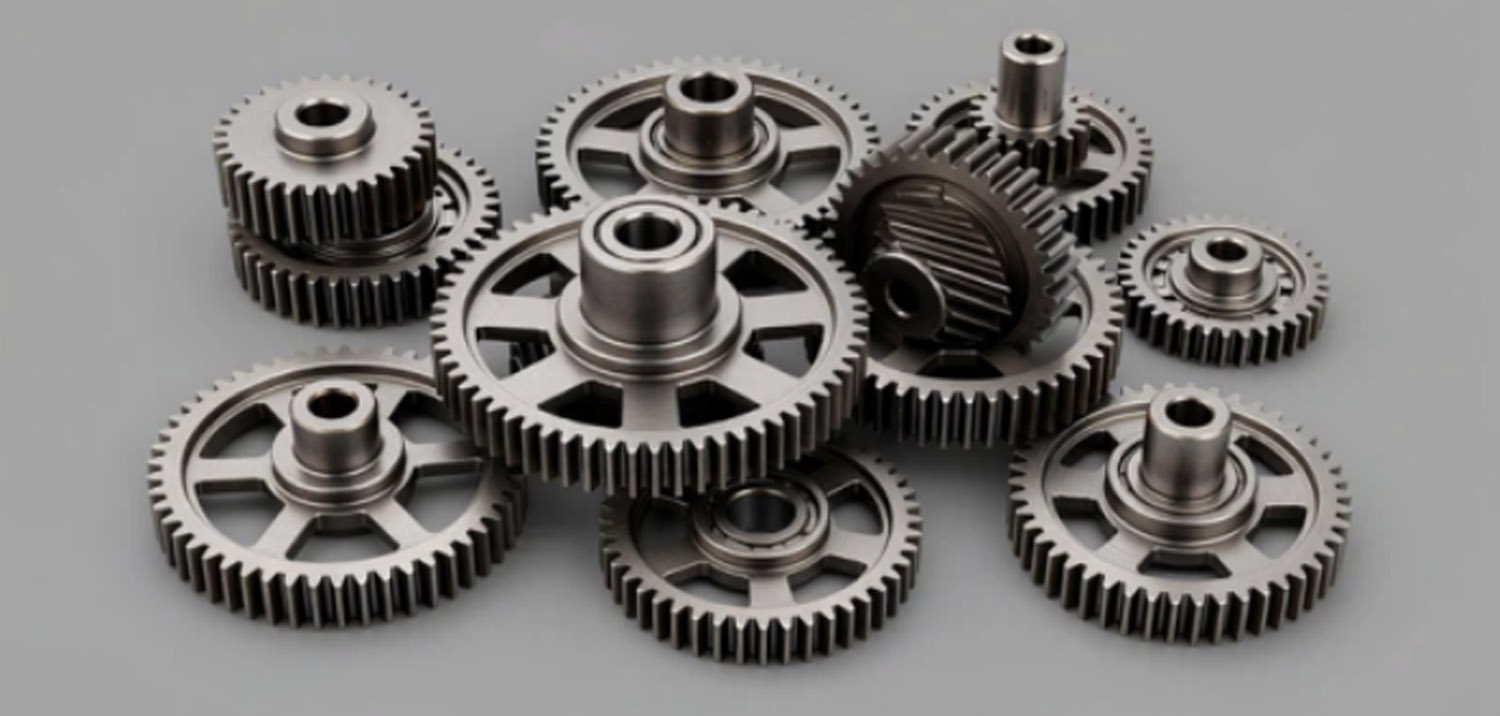
- Spur Gears : Features straight teeth parallel to the axis of rotation, offering a simple and cost-effective solution for parallel shafts.
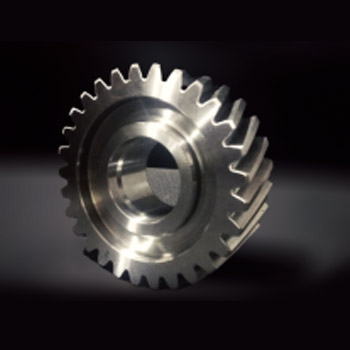
- Helical Gears : Designed with angled teeth that engage gradually, providing smoother, quieter operation and higher load capacities than spur gears.
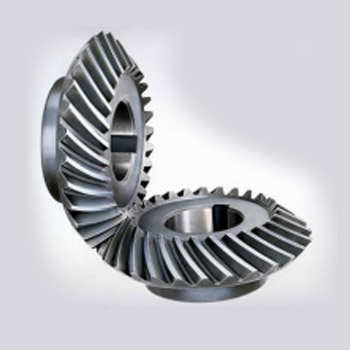
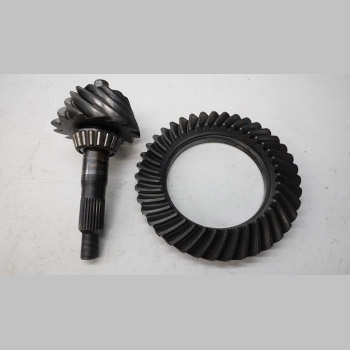
- Bevel Gears : Cone-shaped components used to transmit rotational power between intersecting shafts, most commonly at a 90-degree angle.
- Worm Gears : Consists of a threaded screw driving a gear wheel, delivering high gear reduction ratios and self-locking properties in compact spaces.
Key Industrial Applications
- Automotive Transmissions : Relies on complex gear trains to alter vehicle speed and torque output from the engine to the drivetrain.
- Industrial Gearboxes : Scales down high-speed electric motor output while amplifying torque to drive heavy manufacturing machinery.
- Robotics and Actuators : Utilizes precision-matched gear sets to achieve accurate positioning, motion control, and mechanical advantage.